QD-OLED vs. OLED gaming monitors: the visual difference
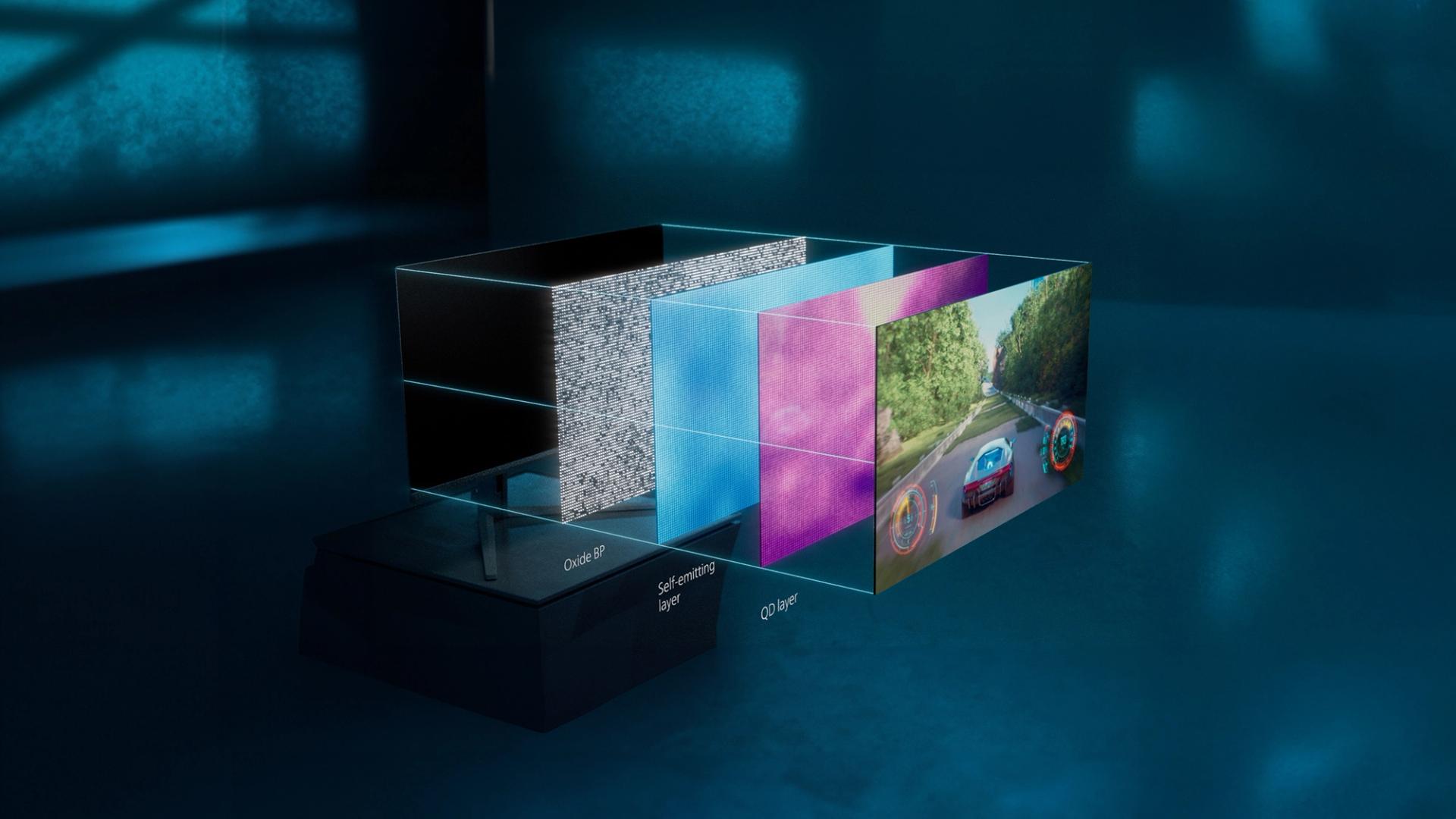
Your monitor is the gateway to your gaming world, turning code into reality. While resolution and speed are important, panel technology shapes the gaming experience. Right now, many gamers are comparing two leading technologies: OLED and QD-OLED.
You want a setup that reflects your style and enhances your gaming experience. So it helps to understand the differences between these options. Let's explore how these panels bring games to life in different ways.
First, we must look at the foundation. OLED stands for organic light emitting diode. It is very different from older screens that need a backlight to shine through the pixels. Each pixel in an OLED screen creates its own light, making it unique.
This is called self emissive technology. A pixel can turn off completely to create true black. The result is an infinite contrast ratio and image depth that pulls you in. While traditional OLED screens are beautiful, they can look less bright in sunny rooms.
QD-OLED stands for quantum dot OLED. It is not a replacement for OLED, but rather an innovation. It combines the deep blacks of OLED with the vibrant colours of quantum dot technology.
Standard OLED designs use colour filtering, which can reduce brightness. QD-OLED works differently. It uses a blue light source to activate a layer of quantum dots. These dots emit very pure red and green light. This process can help colours stay vivid at higher brightness.
The first major difference is brightness. QD-OLED monitors can reach higher peak brightness, making HDR content look realistic. The image remains powerful even in daylight. The second difference is colour. Colour performance is typically stronger on QD-OLED panels because they don't use traditional filters.
You get a wider range of colours that remain bright and true. Both technologies offer perfect blacks, but QD-OLED can add more punch in scenes that mix bright highlights and deep shadows. This is due to the contrast between bright highlights and deep shadows.
The choice between a QD-OLED and an OLED gaming monitor depends on your needs. If you enjoy story-driven games or open-world exploration, QD-OLED is a fantastic choice. This technology maintains the speed of OLED, offering instant response times for clear motion. It also adds a layer of vibrancy, making the digital world feel alive. You get a presentation that can feel closer to the game’s HDR grading.
We believe technology should support you by being accessible and elegant. The Philips Evnia 27M2N5901A is a perfect example.
This monitor showcases the future of versatility with its Dual Mode technology. It allows you to switch instantly between sharp 4K resolution at 160 Hz for immersive RPGs and blazing-fast 1080p at 320 Hz for competitive shooters. It is designed for gamers who refuse to compromise.
Traditional OLED is still a great choice with a proven track record of quality. However, QD-OLED is the next step, offering a new level of immersion for gamers. We are reinventing the rules of gaming because we want everyone to enjoy a better view. Expect to see more Quantum Dot technology in our future designs.